What Is Hexapod External Fixation?
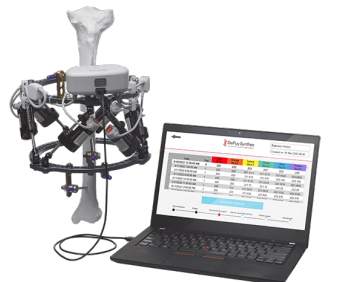
Hexapod external fixation is an advanced orthopedic technique used to correct complex bone deformities, fractures, and limb length discrepancies. It utilizes a circular external frame connected by six adjustable struts (a “hexapod” system) that allow precise, computer-guided correction in multiple planes.
This system builds upon traditional circular fixation methods by incorporating digital planning software. The technology allows surgeons to gradually adjust alignment, rotation, and length with high accuracy. The frame remains outside the body, while pins or wires secure it to the bone, providing stability during healing.

When Is Hexapod External Fixation Recommended?
Hexapod external fixation is typically recommended for patients with complex bone or alignment problems that require gradual correction. It may be used in the following situations:
- Nonunion fractures
- Malunions with deformity
- Limb length discrepancies
- Angular or rotational deformities
- Bone loss requiring transport
- Certain pediatric growth-related deformities
- Complex fractures with soft tissue injury
What Does Preparation for Hexapod External Fixation Involve?
Preparation begins with a comprehensive evaluation, including a physical examination and imaging studies such as X-rays or CT scans. These images are used for detailed preoperative planning and computer-assisted deformity analysis.
Patients may undergo lab testing and medical clearance prior to surgery. Smoking cessation is strongly encouraged to support bone healing. Your surgeon will explain how the device works, how adjustments are made, and what daily care will involve after surgery.
How Is Hexapod External Fixation Performed?
The procedure is performed under anesthesia. The surgeon places rings around the affected limb and secures them to the bone using thin wires or pins inserted through small incisions. The rings are connected by six adjustable struts.
Using specialized computer software, a correction plan is created. After surgery, gradual adjustments are made to the struts over days or weeks. These small, controlled changes slowly correct alignment, rotation, or length while new bone forms and stabilizes the area.
What to Expect During Recovery After Hexapod External Fixation?
Recovery depends on the complexity of the condition. Many patients can bear weight early because the frame provides strong support. Regular follow-up visits allow the surgeon to monitor healing and make necessary adjustments.
Physical therapy is often recommended to maintain joint mobility and muscle strength. The frame may remain in place for several months until bone healing and correction are complete.
What Are the Risks and Complications of Hexapod External Fixation?
As with any surgical procedure, potential risks and complications may include:
- Pin site infections
- Pain or swelling
- Joint stiffness
- Nerve or blood vessel irritation
- Delayed bone healing
- Frame loosening or mechanical issues
- Skin irritation around pin sites
Close monitoring helps minimize these risks.
What Are the Benefits of Hexapod External Fixation?
Hexapod external fixation offers several advantages, including:
- Highly precise, computer-guided correction
- Gradual deformity correction without large incisions
- Ability to correct complex, multi-plane deformities
- Early weight-bearing in many cases
- Effective treatment for nonunion and bone loss
- Customizable adjustments throughout healing
When performed by an experienced orthopedic surgeon, hexapod external fixation provides a powerful solution for complex limb reconstruction and alignment correction.