What Is Avascular Necrosis of the Ankle?
Avascular necrosis (AVN) of the ankle is a condition that occurs when blood flow to one of the bones in the ankle joint, most commonly the talus, is disrupted. Without an adequate blood supply, bone tissue begins to weaken and die. Over time, this can lead to structural collapse of the bone and progressive arthritis in the ankle joint. Because the talus plays a critical role in weight-bearing and movement, AVN in this area can significantly affect mobility and overall joint function.
What Are the Causes of Avascular Necrosis of the Ankle?
Avascular necrosis develops when circulation to the bone is compromised. Several underlying factors may contribute to this disruption, including:
- Trauma or fracture: Ankle fractures or dislocations, particularly talus fractures, can damage surrounding blood vessels.
- Chronic steroid use: Long-term corticosteroid therapy is associated with reduced blood supply to bone tissue.
- Excessive alcohol consumption: Heavy alcohol use can interfere with blood flow and bone metabolism.
- Medical conditions: Disorders such as lupus, sickle cell disease, and clotting abnormalities may impair circulation.
- Previous ankle surgery: Surgical procedures can occasionally affect the bone’s vascular supply.
In some cases, no clear cause is identified, and the condition is considered idiopathic.
What Are the Symptoms of Avascular Necrosis of the Ankle?
Symptoms often develop gradually and may worsen as the condition progresses. Common signs include:
- Persistent ankle pain: Initially with weight-bearing activities, later possibly at rest.
- Swelling around the joint: Especially after activity.
- Stiffness and limited range of motion: Difficulty bending or rotating the ankle.
- Instability or weakness: A feeling that the ankle may give out.
- Progressive pain severity: As bone collapse or arthritis develops.
Early-stage AVN may produce minimal symptoms, making prompt evaluation important when risk factors are present.
How Is Avascular Necrosis of the Ankle Diagnosed?
Diagnosis begins with a detailed medical history and physical examination. Imaging studies are essential to confirm the condition. X-rays may reveal bone changes in later stages, while MRI is particularly useful for detecting AVN early, before structural collapse occurs. In some cases, CT scans help assess the extent of bone damage and joint involvement.
What Are the Treatment Options for Avascular Necrosis of the Ankle?
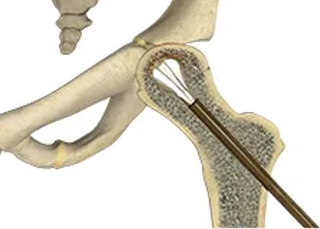
Treatment depends on the stage of the disease and the severity of bone involvement. Early-stage AVN may be managed conservatively with activity modification, protected weight-bearing, bracing, and anti-inflammatory medications. In select cases, procedures such as core decompression may improve blood flow and relieve pressure within the bone.
Advanced cases with bone collapse or arthritis may require surgical intervention, including bone grafting, joint-preserving procedures, ankle fusion, or total ankle replacement. Early diagnosis and timely treatment can help preserve joint function and reduce long-term complications.